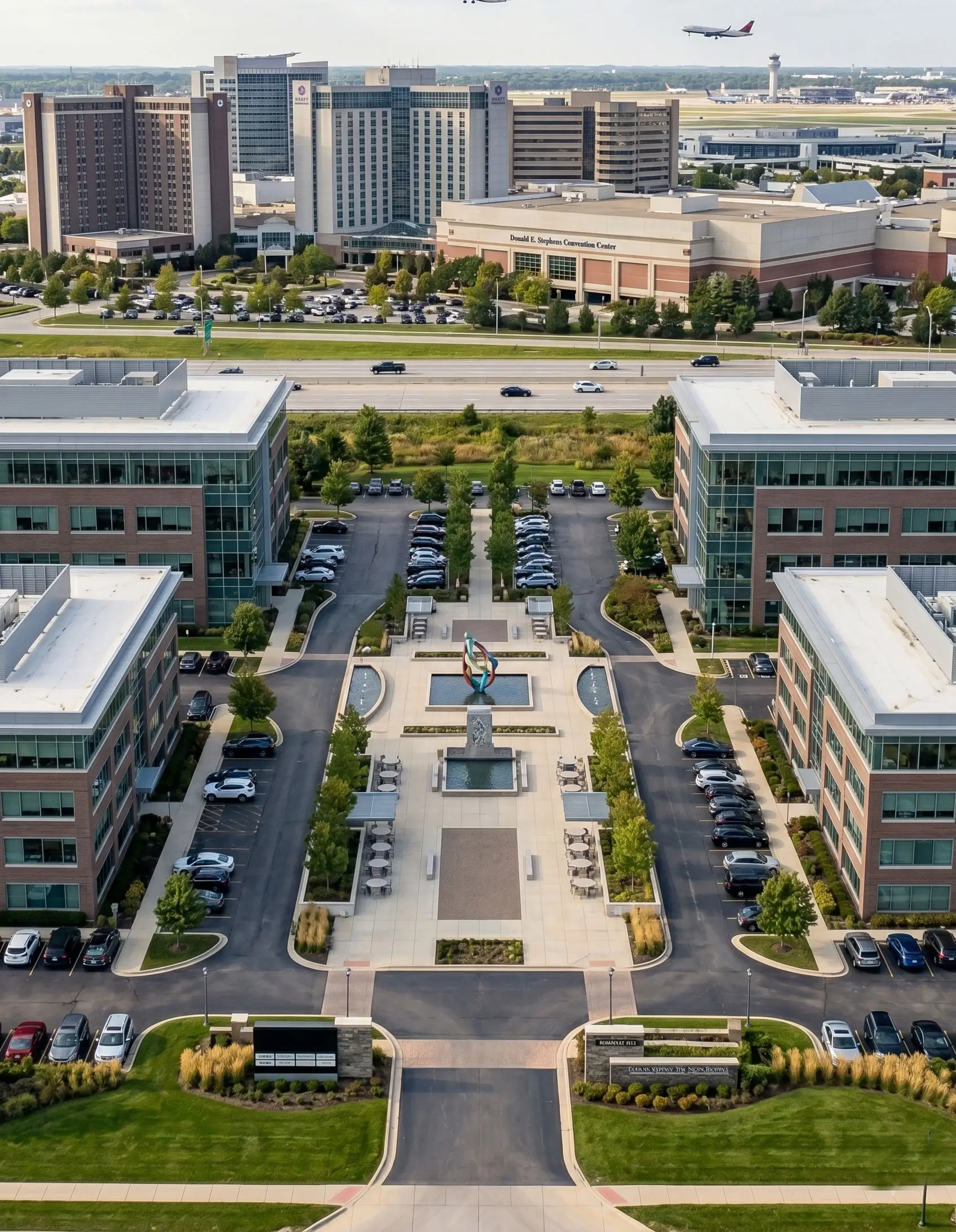
Rosemont Commercial Properties For Sale
Proven Execution: Access Vetted Commercial Deal Flow.
Featured Commercial Assets
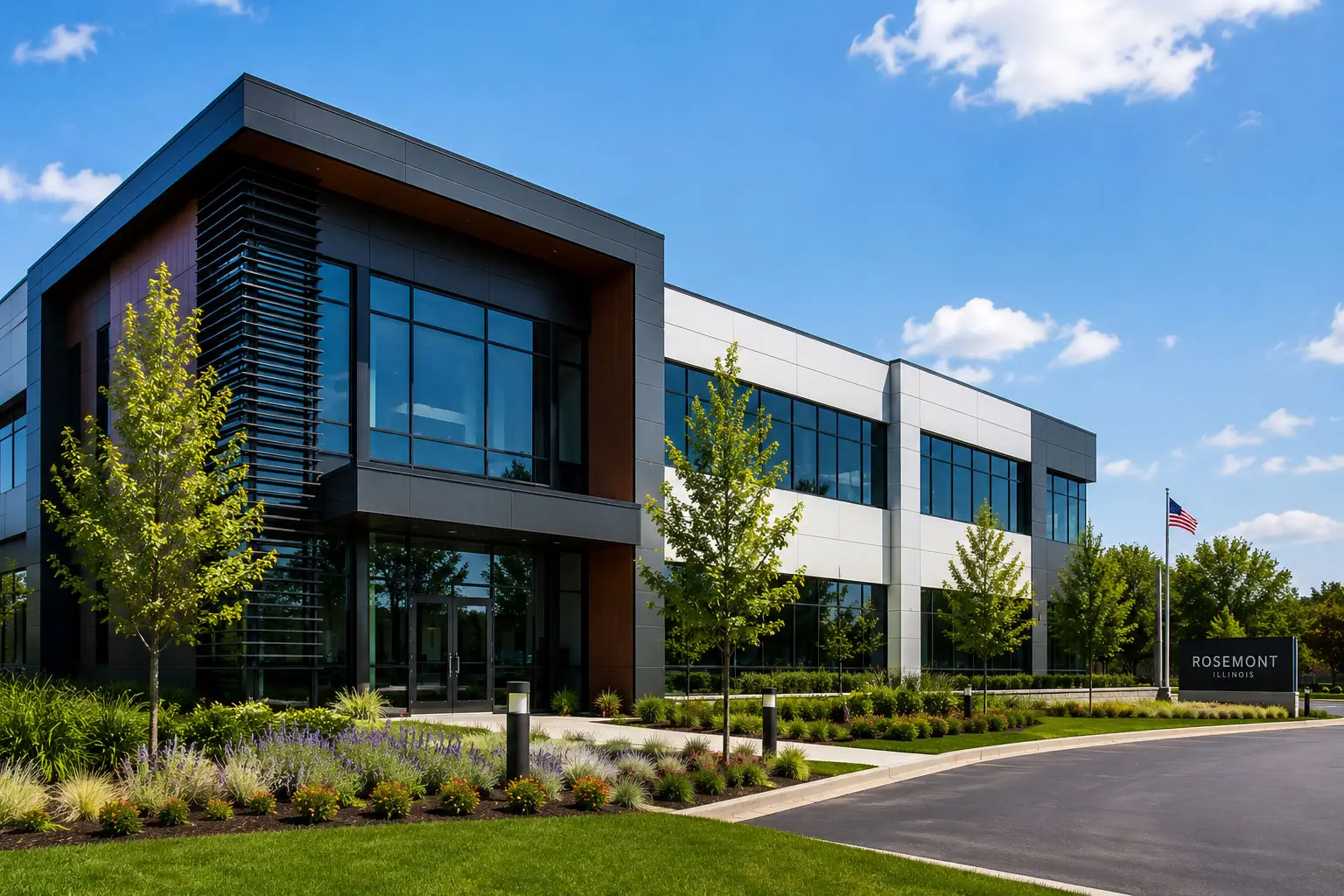
Our buyrego® analysis of aggregated commercial market data reveals a dynamic, high-demand business environment in Rosemont, IL. As of early 2026, the local commercial sector is defined by constrained supply and tight vacancy levels, sustained investor interest, and active expansion across Rosemont’s primary business districts.
Early-2026 market activity tracked by the buyrego® index shows strong demand for Multi-Family and Industrial properties. Well-positioned assets continue to attract strong institutional and private buyer interest, particularly those near the O’Hare Industrial Submarket, the entertainment districts, and key transit routes.
Market Snapshot (2026 Update | buyrego® Index): dominant asset classes: Logistics/Class A Industrial, Hospitality, and Transit-Oriented Multi-Family | market climate: High Demand / Limited Inventory | key zoning corridors: Tri-State Tollway (I-294), Jane Addams Memorial Tollway (I-90), and the River Road Commercial District | economic outlook: strong regional growth
What is your commercial asset worth?
Don’t settle for generic automated algorithms. Connect with our vetted brokerage network for a strict, human-verified Broker Opinion of Value (BOV)—a complete market review and financial audit for your multi-family, retail, or industrial property.
Exploring Rosemont Commercial Properties
Rosemont continues to attract investors, developers, and business owners seeking robust infrastructure and strategic geographical advantages. These demand drivers create a highly resilient commercial real estate market with diverse inventory.
What Drives the Rosemont Commercial Market:
Strategic Location: Serving as the immediate gateway to the Chicago metropolitan area, Rosemont offers unparalleled proximity to O’Hare International Airport, immediate access to the Tri-State Tollway (I-294) and I-90 interchanges, and seamless rapid transit connectivity via the CTA Blue Line.
Economic Drivers: Anchored by massive regional economic engines including the Donald E. Stephens Convention Center, the Pearl District, and a dense concentration of high-performing entertainment, hospitality, and corporate headquarters.
Workforce Access: The region provides access to a diverse 5.5 million-person metropolitan workforce, utilizing its unique location as a central transit convergence point to draw top-tier technical, corporate, and logistical talent from both the city center and the northwest suburban corridors.
Business Climate: Exceptionally pro-business municipality, high-density specialized commercial zoning, and a hyper-resilient micro-market insulated by constant corporate and tourism influxes.